Skills-Based Health Education (SBHE)
Our largest school-based intervention — a full academic year of life skills built on the Behaviour Change Process.
33,000+
Children & adolescents reached
Primary & Secondary
Schools reached
100%
School-based delivery
Programme overview
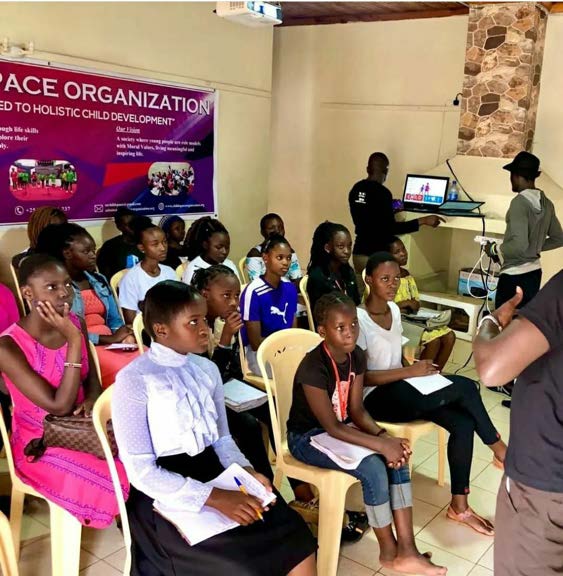
The Skills-Based Health Education Programme is our largest school-based intervention, designed to equip children and adolescents with the knowledge, values, attitudes, and practical life skills they need to make informed decisions, adopt healthy behaviours, and navigate the complexities of growing up in today's rapidly changing world.
Unlike traditional approaches that treat social and health issues in isolation, SBHE uses a comprehensive Behaviour Change Process framework to address interconnected challenges — HIV/AIDS, teenage pregnancy, gender-based violence, substance abuse, mental health, and child protection — in an integrated and holistic manner. The programme is delivered in both primary and secondary schools.
“Skills-Based Health Education is a planned, sequential, comprehensive set of learning experiences that supports the development of skills, attitudes, and functional knowledge needed to promote health and well-being across multiple dimensions of wellness.”
Key learning areas
The SBHE curriculum covers a comprehensive range of topics across a full academic year.
- Self-awareness, self-esteem, and emotional intelligence
- Goal setting and career development
- HIV/AIDS prevention and awareness
- Adolescent sexual and reproductive health
- Prevention of teenage pregnancy
- Gender-based violence prevention and response
- Child rights and child protection
- Drug and substance abuse prevention
- Mental health and emotional well-being
- Communication, interpersonal skills, and conflict resolution
- Decision-making, critical thinking, and problem-solving
- Leadership and personal development
- Peer pressure management and social influence
- Good study habits and academic excellence
- Online safety and responsible digital citizenship
Programme outcomes
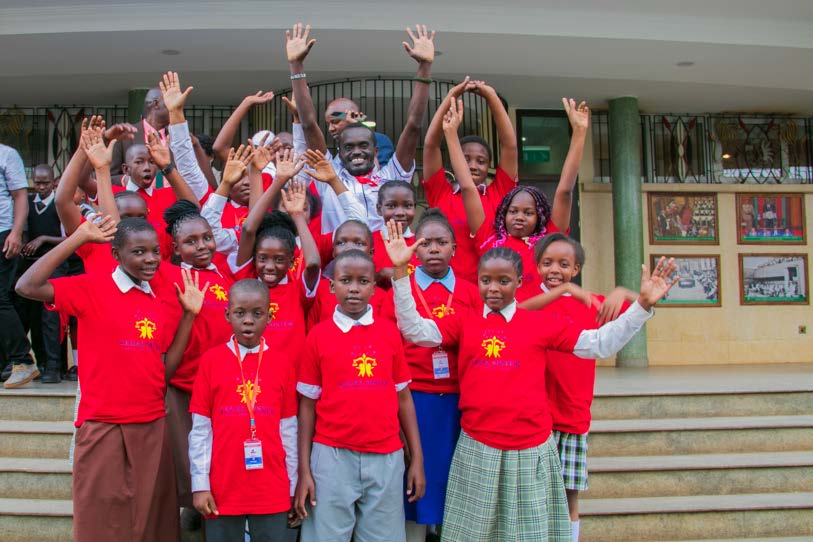
- Increased awareness of HIV/AIDS and adolescent health issues
- Improved life skills and responsible decision-making
- Enhanced mental health awareness and emotional resilience
- Greater confidence and self-esteem among children and adolescents
- Increased knowledge of child rights and protection mechanisms
- Improved prevention of substance abuse, violence, and risky behaviours
- Stronger peer-support networks and leadership within schools
- Improved academic performance and engagement
Next program
Sexual & Reproductive Health and Rights